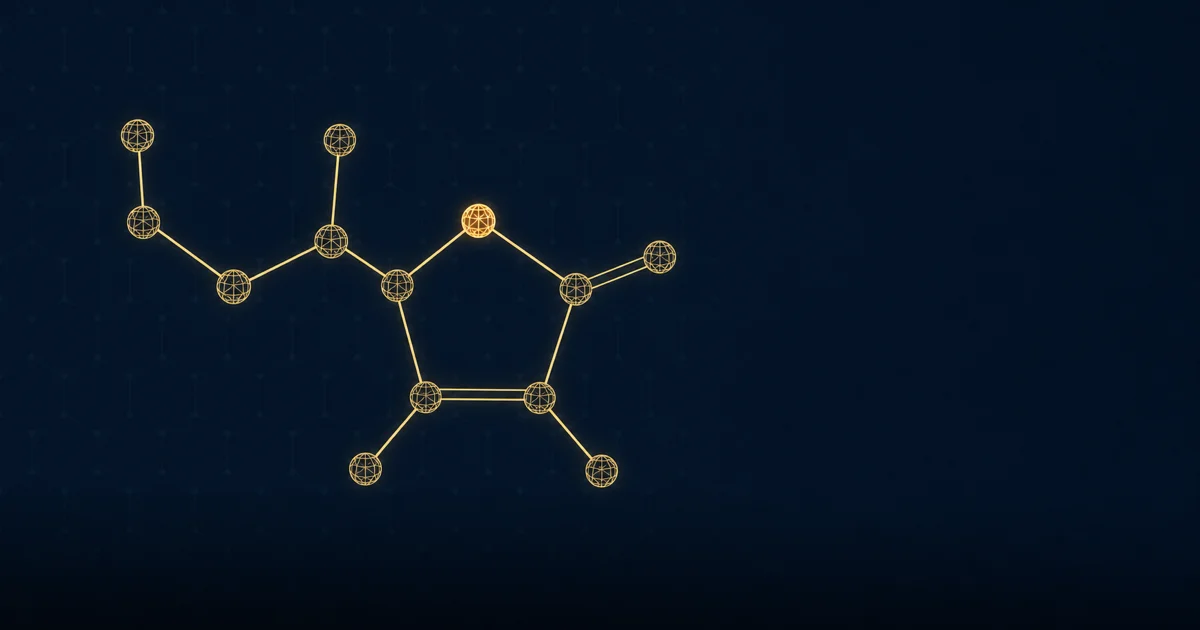
In short: oral vitamin C absorption saturates at low doses, capping plasma levels around 200 µmol/L no matter how much is swallowed. Intravenous administration bypasses that ceiling entirely, producing millimolar concentrations that turn ascorbate from an antioxidant into a pro-oxidant — a property under active investigation in oncology, but not yet supported by phase III survival data. The evidence is strongest for correcting genuine deficiency and weakest for wellness claims; a serious harm signal in septic shock and specific safety contraindications make qualified clinical oversight essential, not optional.
Vitamin C is the most familiar micronutrient in the IV therapy world — the backbone ingredient of the classic Myers' cocktail and, on its own, one of the most heavily marketed "immune boost" drips in wellness clinics. It is also, at the doses used in oncology and critical-care research, a pharmacologically different molecule from the vitamin sold in a supermarket bottle. The two applications get discussed as if they were the same intervention. They are not, and conflating them does a disservice to patients considering routine deficiency correction and to the researchers investigating cytotoxic-range ascorbate as an adjunct therapy.
What high-dose vitamin C is and why the dose matters
Vitamin C (ascorbic acid) is a water-soluble essential nutrient — humans, unlike most mammals, lost the enzyme (L-gulonolactone oxidase) needed to synthesise it internally, making dietary or supplemental intake mandatory. At physiological intake, plasma concentrations are tightly controlled: intestinal absorption via the sodium-dependent transporter SVCT1 becomes progressively less efficient as oral doses rise, and the kidneys excrete any surplus once tissues are saturated. The practical consequence is a ceiling — peak plasma concentration from oral intake rarely exceeds roughly 200 µmol/L, regardless of how many grams are ingested.
This ceiling is precisely why scurvy — severe vitamin C deficiency — is a well-established, reliably curable condition: repletion at modest doses corrects it quickly and completely. It is also why marketing claims about oral "megadosing" flooding the body with antioxidant capacity do not match the underlying physiology. To reach the concentrations studied in oncology and critical-care trials, the oral route is not an option at all — which is where intravenous delivery enters the picture.
Why intravenous delivery changes the equation
Intravenous administration bypasses both the intestinal absorption limit and the renal excretion ceiling that cap oral dosing, delivering ascorbate directly into the bloodstream. The pharmacokinetic difference is not subtle: published data show intravenous dosing can produce peak plasma concentrations in the 20–30 millimolar range — 30 to 70 times higher than the maximum achievable through oral intake, which plateaus below 0.2 mmol/L. This gap was characterised in detail by Mark Levine's group and formalised in the frequently cited 2004 pharmacokinetic review by Padayatty and colleagues.
The important distinction is that this is not simply "a stronger dose of the same vitamin." As the next section explains, the millimolar concentrations reached only by IV administration shift ascorbate's chemistry from an antioxidant role into a pro-oxidant one — a genuinely different pharmacological state, which is the basis for both its research interest and its safety profile.
How pharmacological vitamin C acts in the body
At ordinary physiological concentrations, ascorbate functions as the body's most abundant water-soluble antioxidant: it donates electrons to neutralise reactive oxygen species and recycles oxidised vitamin E back to its active form, extending that fat-soluble antioxidant's reach. It is also an essential enzyme cofactor — required for the prolyl and lysyl hydroxylases that stabilise collagen (the reason deficiency impairs wound healing and connective tissue integrity), for carnitine synthesis, for the dopamine-beta-hydroxylase step in catecholamine production, and for a family of oxygen-sensing hydroxylases involved in cellular signalling.
At the millimolar concentrations achieved only through IV infusion, the chemistry inverts. Ascorbate autoxidises in the extracellular space, generating hydrogen peroxide at levels that are selectively toxic to cell types with lower catalase and peroxidase capacity — a category that includes many cancer cell lines in laboratory and animal models, but not most healthy tissue. This "pro-oxidant at pharmacological dose" mechanism, described mechanistically by Levine's group in the mid-2000s, is the biochemical rationale behind every oncology trial referenced in the next section. It is a coherent, well-described hypothesis at the bench. Whether it translates into a survival benefit in patients is a separate question — and one the clinical trial record answers with more nuance than the mechanism alone would suggest.
Clinical applications: evidence graded by indication
As with any compound whose reputation has outpaced formal testing in places, the responsible approach is to read the evidence indication by indication rather than pronounce high-dose vitamin C proven or disproven as a whole.
| Indication | Study base | Key finding | Verdict |
|---|---|---|---|
| Scurvy / confirmed deficiency | Decades of clinical and case-report evidence | Repletion resolves symptoms rapidly and reliably | Established, causal indication |
| Sepsis and septic shock (ICU) | LOVIT phase III RCT, n=863 (2022) | Increased risk of death or persistent organ dysfunction vs placebo (risk ratio 1.21) | Not recommended; a genuine harm signal in the largest trial to date |
| Sepsis with severe respiratory failure (ARDS) | CITRIS-ALI RCT, n=167 (2019) | Primary endpoints (organ failure score, biomarkers) negative; secondary mortality/ICU-free-day signal favourable but underpowered | Mixed; hypothesis-generating, not confirmatory |
| Metastatic colorectal cancer (adjunct to chemotherapy) | VITALITY phase III RCT, n=442 (2022) | No significant difference in progression-free or overall survival vs chemotherapy alone | Investigational; phase III survival benefit not demonstrated |
| Other cancers (adjunct — ovarian, pancreatic, prostate) | Multiple phase I/II trials | Established safety alongside chemotherapy; some early quality-of-life signals | Early-phase only; not a substitute for standard oncology care |
| General wellness / immune "boost" / anti-aging | No controlled IV trials for this indication | Mechanistic plausibility only | No evidence base; claims unsupported |
Deficiency correction is the one indication with unambiguous, decades-deep evidence: repleting a genuinely deficient patient resolves scurvy reliably and is not in scientific dispute.
Sepsis and critical illness is where the evidence has moved in an uncomfortable direction. CITRIS-ALI, published in JAMA in 2019, tested high-dose vitamin C in sepsis-related acute respiratory failure and found no benefit on its primary endpoints, with only an underpowered, hypothesis-generating secondary signal on mortality. The larger and more definitive LOVIT trial, published in the New England Journal of Medicine in 2022 in 863 patients with septic shock, found the opposite of a benefit: patients receiving high-dose IV vitamin C had a higher risk of death or persistent organ dysfunction at 28 days than those on placebo. A subsequent secondary analysis raised questions about whether abrupt discontinuation of the infusion contributed to the signal — but the trial as run, and as it should be read by a clinician deciding what to do today, does not support using high-dose vitamin C in septic shock, and the data point toward possible harm.
Oncology is the highest-profile and most carefully watched application. Early-phase trials across ovarian, pancreatic and other cancers established that high-dose IV vitamin C can be given safely alongside standard chemotherapy and generated genuine scientific interest in the pro-oxidant mechanism described above. That interest was tested at phase III scale in the VITALITY study, which randomised 442 patients with metastatic colorectal cancer to chemotherapy with or without high-dose vitamin C. The result was a negative one for the added agent: no statistically significant improvement in progression-free survival, overall survival, or response rate. This does not close the door on the mechanism entirely — different cancers and protocols remain under study — but it means the current, honest position is "investigational, safety established, survival benefit not yet shown," not "proven cancer treatment."
General wellness and anti-aging claims are the weakest category by a wide margin. There are no controlled trials of IV vitamin C for these indications; the appeal rests entirely on extrapolating from the antioxidant mechanism described in physiology textbooks, which is not the same mechanism operating at the pharmacological doses actually infused.
Dosing and administration protocols
There is no internationally approved or FDA-cleared dosing standard for high-dose IV vitamin C in any indication. What follows reflects the ranges used in published clinical research and reputable clinical practice, to be adapted by the treating clinician.
Deficiency correction uses comparatively modest doses — typically hundreds of milligrams to a few grams — sufficient to restore normal plasma levels. Pharmacological research protocols investigating the pro-oxidant mechanism have used substantially higher, weight-based dosing; the VITALITY oncology trial, for example, administered 1.5 g/kg/day by IV infusion over three hours on three consecutive days per cycle. Across studies, pharmacological-dose regimens are typically given two to three times per week, with the dose commonly ramped up over an initial period rather than started at target.
Screening precedes dosing, not the other way round. Glucose-6-phosphate dehydrogenase (G6PD) status must be established before any pharmacological-range infusion — never after symptoms appear — because deficient patients are at risk of acute haemolysis (see Safety, below). Renal function should also be assessed beforehand, given the oxalate-related risk discussed in the next section. Infusions are given slowly, generally over one to several hours depending on the dose, both to limit osmotic and renal load and to reduce injection-site discomfort; buffered sodium ascorbate formulations are commonly used in professional settings for exactly this reason.
Safety, adverse effects and contraindications
High-dose IV vitamin C is not free of risk, and several of its safety considerations are specific enough that they change clinical practice rather than simply appearing on a general disclaimer.
G6PD deficiency is the most consequential contraindication for pharmacological dosing. The hydrogen peroxide generated by ascorbate's pro-oxidant chemistry at high plasma concentrations can trigger acute haemolysis in G6PD-deficient red blood cells; documented case reports describe haemolytic and methaemoglobinaemic reactions following high-dose infusion in affected patients. Pre-treatment screening is standard practice before pharmacological-range dosing, particularly in populations with a higher prevalence of the deficiency, and should not be skipped on the assumption that a patient "looks well."
Renal impairment and oxalate risk. Ascorbate is partly metabolised to oxalate, and case reports describe acute oxalate nephropathy following intravenous administration, particularly in patients with reduced renal clearance. Baseline renal function should be assessed before high-dose infusion, and caution — or avoidance — is warranted in patients with existing kidney disease.
Point-of-care glucose meter interference is a subtler but clinically important risk. High plasma ascorbate concentrations interfere with the enzymatic chemistry used in many hospital glucose meters, producing falsely elevated ("pseudohyperglycaemic") readings. This matters because a falsely high reading can mask a true hypoglycaemic episode, delaying appropriate treatment. Laboratory-based glucose testing, rather than bedside point-of-care meters, should be used during and shortly after high-dose infusions.
Other considerations: vitamin C enhances non-heme iron absorption and can mobilise stored iron, so it is used cautiously — or avoided — in patients with hereditary haemochromatosis or known iron overload. Local venous irritation and the risk of extravasation apply as with any IV infusion and are managed with standard site monitoring. As detailed above, high-dose use in septic shock carries a documented harm signal and is specifically not recommended for that indication.
IV vitamin C in clinical practice
The practitioner evaluating high-dose vitamin C needs to hold three distinct categories apart: reliable deficiency correction (established, low-risk, low-dose), pharmacological research applications in oncology and elsewhere (mechanistically coherent, safety-characterised, but without a demonstrated survival benefit at phase III), and general wellness marketing (mechanistically unsupported at the doses typically infused). Treating all three as one intervention — as much of the wellness-drip marketing does — misrepresents what the evidence actually supports.
For practitioners looking at the formulation context: IVIXIR Sodium Ascorbate C-7500/C-25000 MD is the EFBA buffered high-dose ascorbate formulation designed for professional-grade pharmacological dosing with reduced injection-site discomfort. Standard-dose vitamin C also appears as a core component of IVIXIR MyerSence MD, the classic Myers' cocktail micronutrient matrix. Both are formulated to professional-grade standards and available through the EFBA partnership network.
Vitamin C's biochemistry is well understood and its pro-oxidant mechanism at pharmacological dose is genuinely interesting research territory. What the evidence does not yet support is treating it as a proven cancer therapy or as a safe universal add-on in critical illness. Holding that line — mechanism versus evidence versus marketing — is exactly the standard EFBA applies to everything in the IVIXIR series.
Frequently asked questions
What is high-dose vitamin C IV therapy?
High-dose vitamin C IV therapy is the intravenous infusion of ascorbic acid at doses far above what the gut can absorb — typically grams to tens of grams per session, compared with the roughly 200 mg upper limit of useful oral intake. Bypassing intestinal absorption allows plasma concentrations to reach the millimolar range, a pharmacological state that behaves differently in the body than dietary vitamin C. It is used in deficiency correction, under investigation as an adjunct in oncology and critical care, and marketed — with far less evidence — as a general wellness infusion.
How does IV vitamin C differ from oral supplementation?
Oral vitamin C absorption is tightly regulated by a gut transporter (SVCT1) and renal excretion, so plasma concentrations plateau at roughly 200 micromoles per litre regardless of how much is ingested. Intravenous administration bypasses both limits, producing plasma concentrations 30 to 70 times higher — into the millimolar range. This is not simply "more vitamin C"; at those concentrations ascorbate behaves as a pro-oxidant rather than an antioxidant, which is a different pharmacology, not a stronger dose of the same one.
Does IV vitamin C help treat cancer?
The evidence does not currently support high-dose IV vitamin C as a cancer treatment. Phase I/II trials have established that it can be administered safely alongside chemotherapy and have reported some early quality-of-life signals, but the only phase III trial to test a hard survival endpoint — the VITALITY study in metastatic colorectal cancer (442 patients) — found no significant difference in progression-free or overall survival compared with chemotherapy alone. It remains an investigational adjunct studied in research settings, not a proven therapy, and should never replace or delay standard oncology care.
Is high-dose IV vitamin C safe?
At appropriate doses under clinical supervision, high-dose IV vitamin C is generally well tolerated, but it carries specific contraindications that require pre-screening. Glucose-6-phosphate dehydrogenase (G6PD) deficiency must be ruled out before pharmacological dosing, as it can trigger haemolysis. Patients with renal impairment are at higher risk of oxalate-related kidney injury. High-dose ascorbate also interferes with point-of-care glucose meters, producing falsely elevated readings that can mask true hypoglycaemia — laboratory glucose testing should be used instead during and after infusion. A large 2022 trial (LOVIT) also found increased harm when high-dose vitamin C was used in septic shock, so this indication is specifically not recommended.
How is high-dose IV vitamin C dosed?
There is no internationally approved dosing standard. Deficiency correction uses comparatively low doses, while research protocols investigating pharmacological effects have used weight-based dosing such as 1.5 grams per kilogram infused over several hours, typically two to three times per week. Dosing must be individualised by the treating clinician, preceded by G6PD and renal function screening, and delivered as a slow infusion to limit osmotic load.
Work with clinically-grounded formulations
EFBA partners with clinicians, pharmacists and distributors across the Arab world on science-driven anti-aging and longevity concepts. The IVIXIR series is formulated to professional-grade standards — with the same evidence discipline applied here.
Selected references
- Padayatty SJ, Sun H, Wang Y, et al. Vitamin C pharmacokinetics: implications for oral and intravenous use. Ann Intern Med. 2004;140(7):533–537. acpjournals.org
- Lamontagne F, Masse MH, Menard J, et al. Intravenous vitamin C in adults with sepsis in the intensive care unit (LOVIT). N Engl J Med. 2022;386(25):2387–2398. nejm.org
- Fowler AA 3rd, et al. Effect of vitamin C infusion on organ failure and biomarkers of inflammation and vascular injury in patients with sepsis and severe acute respiratory failure: the CITRIS-ALI randomized clinical trial. JAMA. 2019;322(13):1261–1270. pmc.ncbi.nlm.nih.gov
- Wang F, et al. A randomized, open-label, multicenter, phase 3 study of high-dose vitamin C plus FOLFOX ± bevacizumab versus FOLFOX ± bevacizumab in unresectable untreated metastatic colorectal cancer (VITALITY study). Clin Cancer Res. 2022;28(19):4232–4239. pmc.ncbi.nlm.nih.gov
- Quinn J, Gerber B, Fouche R, Kenyon K, Blom Z, Muthukanagaraj P. Effect of high-dose vitamin C infusion in a glucose-6-phosphate dehydrogenase-deficient patient. Case Rep Med. 2017;2017:5202606. pmc.ncbi.nlm.nih.gov
- Cossey LN, Rahim F, Larsen CP. Oxalate nephropathy and intravenous vitamin C. Am J Kidney Dis. 2013;61(6):1032–1035. pubmed.ncbi.nlm.nih.gov
- Katzman BM, et al. Unintended consequence of high-dose vitamin C therapy for an oncology patient: evaluation of ascorbic acid interference with three hospital-use glucose meters. J Diabetes Sci Technol. 2021. pmc.ncbi.nlm.nih.gov